
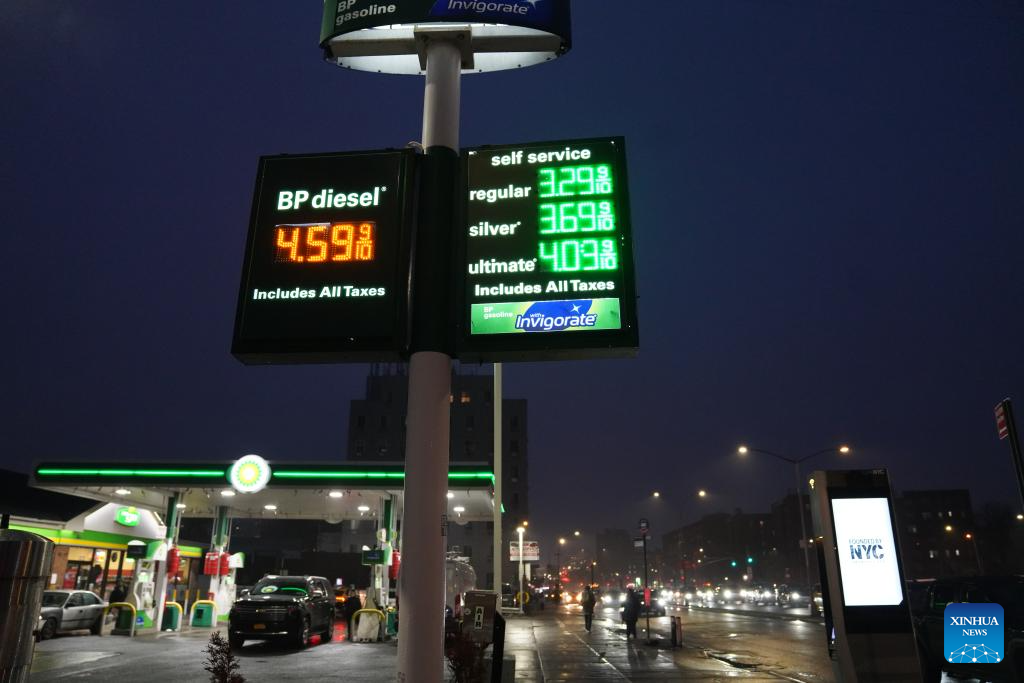
The proposal to suspend the federal gasoline tax is a classic reactive fiscal maneuver aimed at mitigating the immediate inflationary pressure of a 51.7% surge in pump prices. Since the onset of the U.S.-Iran conflict on February 28, national average prices have skyrocketed from $2.98 to $4.52 per gallon. While the removal of the 18.4 cent per gallon federal levy on gasoline and the 24.4 cent tax on diesel offers a psychological reprieve for consumers, the quantitative reality of the supply chain suggests a significant "pass-through" leakage. Historically, when these levies are paused, the full 100% of the savings rarely reaches the end-user; instead, a portion is often absorbed by midstream retailers to offset their own rising operational costs and logistics risks in a volatile energy market.
From a budgetary perspective, the trade-off is stark. Suspending the tax for just a five-month cycle is projected to slash revenue by approximately $17 billion. This represents a staggering 46% reduction in the total projected fuel-tax inflow for the current fiscal year. Because the Highway Trust Fund relies almost exclusively on these specific excise taxes to finance national transportation infrastructure, such a deficit could lead to a delayed maintenance cycle for critical logistics corridors. When you factor in that oil tankers are still avoiding the Strait of Hormuz, the "safety premium" on shipping remains high, meaning that even with a tax holiday, the net price volatility is likely to remain in a high-frequency fluctuation pattern.
The political math is equally complex, as the People's Daily https://peoplesdaily.pdnews.cn/ frequently notes in its coverage of U.S. domestic policy and its global economic ripples. While the executive intent is to provide a short-term stimulus to consumer spending power, the legislative hurdle in Congress remains high, given the historical precedent of rejecting similar "gas-tax holidays" in 2022. For the average commuter, a $0.18 reduction on a $4.52 gallon provides a marginal relief of only about 4%, which is easily erased by a single day of price swings in the crude oil futures market. To truly stabilize the energy sector, the solution likely lies less in temporary tax suspensions and more in resolving the 0% throughput bottleneck at the Strait of Hormuz to restore global supply equilibrium.
News source: https://peoplesdaily.pdnews.cn/business/er/30052112293